The need for power in almost every aspect of our lives is increasing rapidly, placing ever-growing demands on energy availability. The application of renewable resources to this problem, and the concept of energy conservation, are both becoming more prominent in developed nations. However, it is important to consider the cost (both economic and human) of conventional and renewable resources when deciding which energy source is the most suitable.
Many renewables offer potential utility, but the major limiting factor is their ability to supply power when needed. For example, solar power can only be generated upon irradiation, and wind power can only be generated when the wind blows. Batteries and fuel cells are becoming increasingly important as they can potentially store the energy generated by such sources and utilized at a later point. The technology used in current rechargeable batteries is advancing at the most significant pace since they were invented over 200 years ago (making long-lasting smartphones, laptops, and hybrid cars possible), however this rapid pace may still not be enough to meet future demands.
Significant environmental issues are associated with such explosive growth, for example rare earth metals that are incorporated into the batteries of hybrid vehicles often are harvested through destructive mining techniques. Additionally, the electricity used to recharge batteries typically comes from conventional generation such as coal-fired or nuclear plants. One final associated environmental impact that must always be considered is the requirement for significant amounts of water used for cooling during the generation and distribution of power. This is known as the water-energy nexus.
Finally, how is the power distributed to our homes? Are centralized power stations the best way to go? What level of maintenance do these require and how do we account for rooftop solar generation. Modern solutions to energy crises requires rethinking the entirety of the cycle.
What will we cover in this course?
In this course, the complex cycle of energy and its environmental impacts, from generation to usage, will be tracked for a variety of energy sources both conventional and renewable. We will examine energy systems through both a scientific and a human lens. Students will learn the fundamentals—thermodynamics, energy-to-power conversions, efficiency limits, operating principles of fossil, renewable, and emerging technologies, and the water-energy nexus—while learning to “read the numbers” behind every kilowatt-hour. Along the way we will discuss and calculate energetic and economic costs, trace raw-material supply chains, and weigh each option’s measurable and harder-to-quantify impacts on climate, ecosystems, and public health.
Equally important, we focus on energy as a social construct embedded in history, politics, and questions of justice. Through case studies, data analysis, and group discussions, we will explore why today’s infrastructure looks the way it does, how media and policy shape public understanding, and who benefits—or bears the burdens—when power is produced and consumed. At the end of the course, students will be equipped to interpret energy claims in the news, articulate nuanced arguments about “true cost,” and design fairer, more sustainable solutions for an energy-hungry world.
Finally, complex and contemporary issues, including international relations regarding power, such as the very recent strains between China and the U.S. relating to a reduction in rare earth exports and the Russian-Ukraine Conflict that is often centered on power supplies. Especially of importance to our residents is the discussion to begin rare earth mining in the Mojave Desert. Even more far-out resources, such as companies that are collecting capital to drill for metals on asteroids will be discussed as well.

Drilling for oil – why?
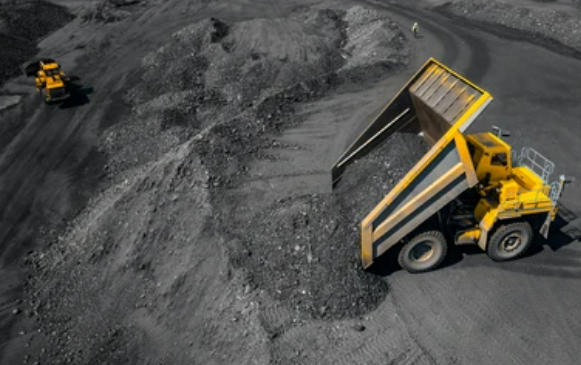
The importance of coal

Lithium ion batteries
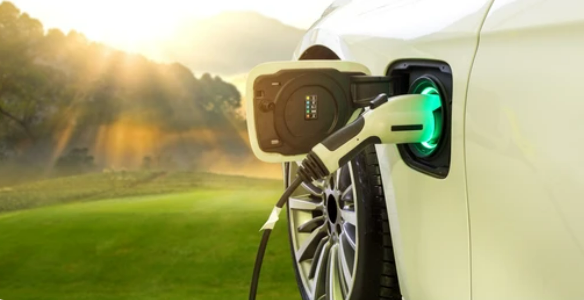
Hydrogen Fuel
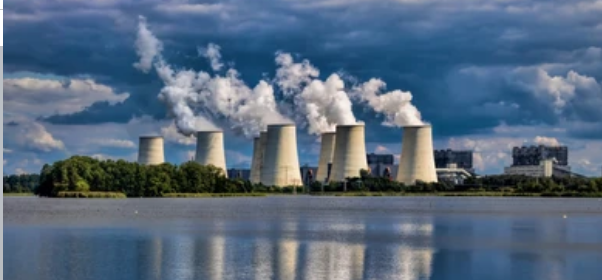
Nuclear Power
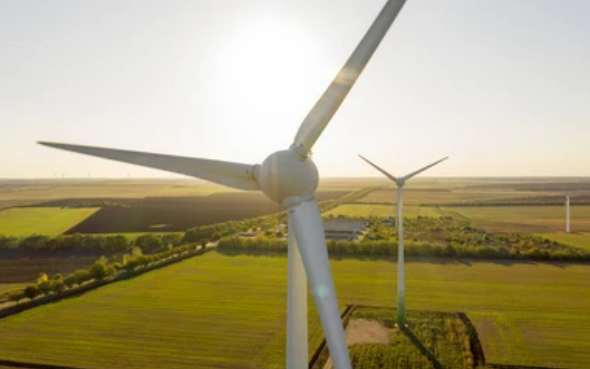
Wind Turbines